
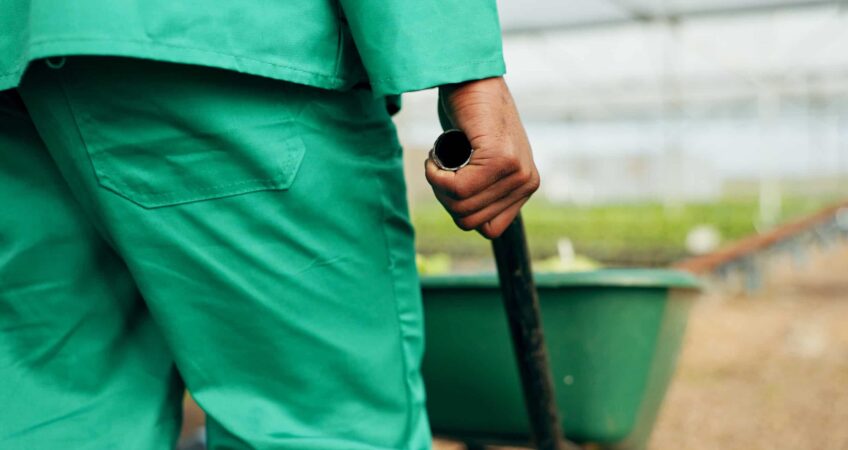
A torn pant leg catches on a PTO shaft, lightweight fabric offers no protection against pesticide drift, and a faded shirt makes a worker invisible to equipment operators in harvest dust. These aren’t hypothetical scenarios but problems that show up in real incident reports.
Farm managers already juggle weather shifts, equipment breakdowns, and tight schedules. Uniforms shouldn’t add to the risk. But they do when work clothes aren’t chosen with actual field conditions in mind.
This guide covers what matters when selecting agriculture uniforms for crews working around heavy machinery, chemicals, and prolonged heat exposure.
Begin With the Real Hazards in Your Fields
Uniform decisions should start with observation, not a catalog. Walk the field. Watch how crews move. Pay attention to where incidents almost happen.
High-risk conditions often include:
- Uneven terrain that leads to slips or missteps
- Equipment operating close to foot traffic
- Crop residue that scratches or irritates skin
- Dust, heat, and sun exposure over long shifts
- Early morning or evening work with limited visibility
Uniforms should respond directly to these conditions. If crews work around moving equipment, loose clothing creates risk. If work happens in extreme heat, heavy fabrics increase fatigue. Matching uniforms to actual conditions is the foundation of protection.
Fabric Performance Matters More Than Labels
Durability is not a vague concept in agriculture. Fabric either holds up, or it does not. When it fails, workers feel it immediately.
Managers should pay attention to how fabrics behave after weeks of use. Ask simple questions. Does the material tear easily? Does it thin at stress points? Does it trap heat?
Effective agriculture uniforms typically share a few traits:
- Fabric that resists tearing when brushing against plants or equipment
- Breathability that helps manage heat during extended outdoor work
- Construction that stays intact after repeated professional laundering
Uniforms that degrade quickly create new hazards. A torn pant leg or weakened seam exposes skin and distracts workers. Long-term performance matters more than how a garment looks on day one.
Fit Affects Safety Every Hour of the Day
Fit is not about comfort alone. It directly affects safety. Clothing that hangs too loosely can snag. Clothing that pulls or binds limits movement.
In high-risk field environments, uniforms should:
- Stay close to the body without restricting motion
- Keep sleeves and pant legs in place during bending or lifting
- Maintain coverage during climbing, reaching, and walking uneven ground
Workers are more likely to wear uniforms correctly when they move naturally with the body. Proper fit reduces the need for constant adjustments, which keeps attention on the task instead of the clothing.
Coverage Reduces Exposure to Common Injuries
Field injuries often come from repeated contact, not dramatic events. Scratches, burns from sun exposure, and irritation from residue add up over time. According to the CDC’s National Institute for Occupational Safety and Health, between 2021-2022, there were 21,020 injuries in agricultural production that required days away from work, with well-known underreporting in this industry.
Uniforms that provide consistent coverage help reduce these issues. Long sleeves, durable pant legs, and secure closures protect skin from daily contact with crops, soil, and equipment surfaces. When workers experience fewer minor injuries, they stay focused and productive. Over a season, that consistency reduces downtime and improves morale.
Visibility Supports Safer Movement Around Equipment
In many field environments, visibility changes throughout the day. Dust, crop height, and light conditions affect how easily workers can be seen.
Agriculture uniforms contribute to safety when they remain clean and identifiable. Faded or heavily soiled garments blend into the environment, especially during early or late hours.
Maintaining consistent uniform appearance helps:
- Equipment operators identify workers quickly
- Supervisors monitor crew locations more easily
- Teams stay aware of one another during shared tasks
Visibility does not require advanced features. Often it comes down to maintaining clean, consistent uniforms that stand out against natural surroundings.
Maintenance Is Part of the Safety Equation
Uniform safety does not end after selection. Condition matters just as much as design.
A reliable uniform program includes:
- Regular inspection for wear and damage
- Clear processes for repair or replacement
- Professional cleaning that preserves fabric strength
When uniforms are maintained consistently, managers can address problems before they create risk. Workers also become more comfortable reporting issues instead of working around them.
SPARKLE supports this process through professional laundering and garment tracking that helps keep uniforms in serviceable condition.
Train Workers to Use Uniforms as Tools
Uniforms protect best when workers understand their purpose. Training does not need to be formal or time-consuming. Short conversations during onboarding or seasonal check-ins are often enough.
Effective training explains:
- Why specific uniforms are required for certain tasks
- How improper wear increases exposure
- When to request repairs or replacements
When workers see agriculture uniforms as part of their safety equipment, compliance improves without constant reminders.
Adjust Uniforms as Conditions Change
Field conditions do not stay the same year-round. Uniform needs change with weather, crop cycles, and job responsibilities.
Managers should review uniform performance when:
- Crews move from planting to harvest
- Temperatures rise or drop significantly
- New equipment enters the field
A flexible uniform program allows adjustments without disrupting operations. This responsiveness keeps protection aligned with real conditions instead of outdated assumptions.
Work With a Partner Who Understands Field Work
Uniform safety depends on service consistency. Missed deliveries, incorrect sizing, or inconsistent quality undermine even the best selection decisions.
SPARKLE has served Bakersfield and the Southern San Joaquin Valley since 1949. As a local, family-owned company, we focus on dependable service, accurate garment tracking, and professional laundering designed for real working environments.
Our role is to support farm managers by keeping agriculture uniforms consistent, maintained, and ready for use.
Make Uniform Safety Part of Daily Operations
If your current agriculture uniforms are not holding up to field conditions or creating safety concerns, it may be time to make a change. The right uniforms help reduce injuries, improve comfort, and keep crews focused on the work in front of them.
SPARKLE works with local farm operations to review existing uniform programs and address gaps that affect safety and performance. Reach out to our team to talk through your needs and find a practical uniform solution that fits your operation and your season.